
Intel AC82GM45SLB94: Exploring the Legacy of a Core 2 Duo Chipset
The Intel AC82GM45SLB94 is more than just a string of characters on a motherboard; it is the identifier for the Intel GM45 Express chipset, a pivotal component that powered a generation of computing during the late 2000s. As the foundation for laptops and desktops built around Intel's Core 2 Duo and Core 2 Quad processors, this chipset represented the zenith of the Core microarchitecture before the watershed arrival of the Nehalem-based Core i-series. Its legacy is one of robust performance, integrated graphics evolution, and remarkable longevity in corporate environments.
At its heart, the GM45 chipset was a two-component solution consisting of the GM45 Northbridge and the ICH9M Southbridge. This design was one of the last of its kind before Intel integrated the memory controller and graphics directly into the CPU. The Northbridge housed the Intel GMA 4500MHD integrated graphics, a significant step up from its predecessors. While no match for discrete GPUs, it was notably capable for its time, introducing hardware decoding for HD video formats like VC-1 and AVC, which enabled smoother playback of high-definition content—a key feature as online video consumption surged.
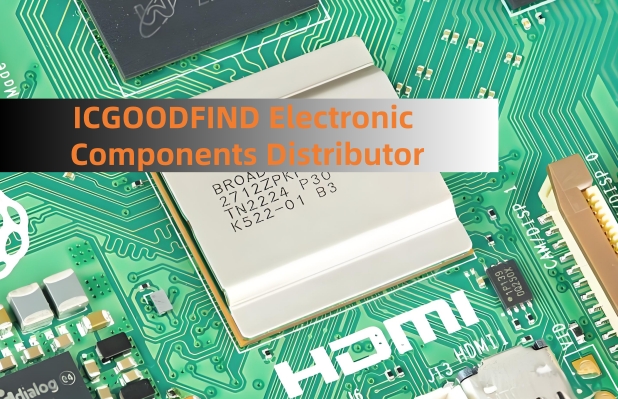
The chipset's support for the front-side bus (FSB) architecture, with speeds up to 1066 MHz, was its link to the powerful Core 2 processors. This allowed it to handle a wide range of CPUs, from energy-efficient ultra-low-voltage models to high-end quad-core units, making it incredibly versatile for OEMs designing everything from sleek ultraportables to hefty desktop replacements. The accompanying ICH9M Southbridge provided the essential connectivity: SATA ports for storage, USB 2.0, PCI Express lanes, and high-definition audio, forming a complete and capable platform.
The true impact of the GM45 platform was felt most profoundly in the corporate and business laptop sector. It was the bedrock of Lenovo's iconic ThinkPad T400s, T500, and the Dell Latitude E-series. These machines were celebrated for their durability, serviceability, and stability. The platform's maturity meant drivers were rock-solid, and system integrators could rely on it for long-term deployment cycles. Many of these machines, now over a decade old, continue to function in various roles today, a testament to the chipset's reliability. Furthermore, its support for Intel's vPro technology enhanced its appeal for enterprise IT departments by enabling advanced remote management, security, and maintenance capabilities.
However, the GM45 existed at the end of an era. The subsequent transition to the Westmere and Sandy Bridge architectures, with their integrated memory controllers and vastly superior Intel HD Graphics, rendered the FSB and discrete northbridge obsolete. Performance and power efficiency leaped forward, leaving the GM45 as a capable but ultimately outdated workhorse.
ICGOOODFIND: The Intel GM45 chipset (AC82GM45SLB94) is a landmark of computing reliability and enterprise endurance. It masterfully supported the powerful Core 2 Duo CPU family and delivered a mature, stable platform that defined business computing for years. Its integrated graphics were a notable advancement for the time, and its role in legendary laptop lines cements its legacy as a foundational technology of its era.
Keywords: Intel GM45 Chipset, Core 2 Duo, Integrated Graphics, vPro Technology, Front-Side Bus (FSB)

